
Something to Keep
“Technology is at its best when it is invisible.”
Nassim Nicholas Taleb
A Second Look
I love it when I come across something that eloquently articulates a feeling that I’ve had for a while. In a recent video, Mark Manson talks about the deliberate decline in the quality of online platforms or services. This is called enshittification, and the term originated in a book of the same name that I can’t wait to read.
Enshittification often follows a three-step pattern. At first, the platform is good for customers. Then it switches to being good for business customers. Finally, the platform funnels value to executives and shareholders. There are countless examples of enshittification, such as Netflix, Xbox Game Pass, Uber, and Spotify.
The interesting thing is that the term goes beyond online platforms. As weird as it sounds, retirement benefits, veterinarians, the American health system, and even flying have suffered the same fate Netflix has. Companies are trying to squeeze as much profit from their user base, and they don’t care how many people get screwed in the process. It’s both fascinating and infuriating.
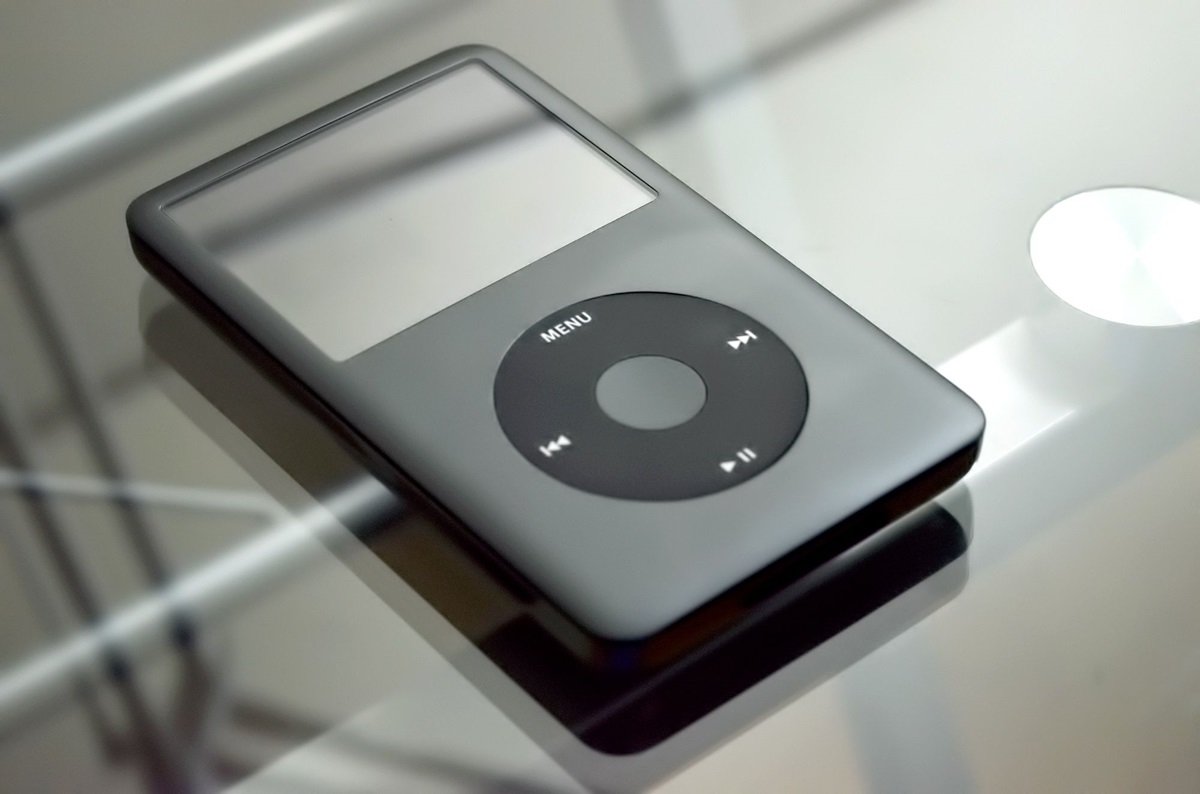
I’m by no means qualified to talk about most of those things, but enshittification explains why I get so much joy from using an aging iPod rather than using Spotify. When you use Spotify, you’re not only committing to a monthly subscription; you suddenly rely on algorithmic feeds that recommend crappy music, you encounter intrusive ads, and on top of that, the price of service rises constantly. This is a real thing, and it affects most platforms you can think of.
As I said, I can’t wait to read the book. This also made me think about how I use certain platforms and which ones I could replace with open-source software.
Something I Liked
My relationship with technology is weird, but I sometimes get glimmers of hope when using it. One of my goals has been to learn more about movies and how they’re made. So every time I watch a movie I like (and some movies I don’t like), I extract the movie commentary and listen to it while working out.
This is what the process involves. First, finding and watching a movie. Then, using a piece of software called MKVToolNix to extract the audio track that has the commentary in question. Finally, I upload that track to Google Drive so that I can download it on my phone and listen to it with PocketCasts. I get that this isn’t for everyone since there’s so much friction in the process, but I absolutely love it. You feel as if you’re essentially watching the movie with the director or one of the actors.
Since I write about technology often, maybe it seems as if I hate it. That couldn’t be further from the truth. I love to use technology as a tool. It’s just that I never want to feel as if it’s the other way around.